


Home and Lifestyle
How to Revive Old Furniture with Simple Cleaning Techniques
How to Revive Old Furniture with Simple Cleaning Techniques
Transform antique wood, sofas, & dressers! Learn simple, safe cleaning techniques to revive old furniture & restore its charm. Get expert tips from Tidyex Home Services.


Introduction

There’s something deeply sentimental about old furniture. It carries memories, family history, and a unique charm that modern mass-produced pieces just can’t replicate. Whether it's a worn dresser that belonged to your grandmother, a dusty side table you rescued from a thrift store, a creaky bedframe, or a faded sofa, restoring old furniture can be a truly rewarding experience. With a bit of care, the right techniques, and a little patience, you can bring these cherished pieces back to life without stripping their character.
This comprehensive guide will walk you through the best ways to revive wooden furniture, especially antique wood furniture, using simple, safe cleaning methods. Whether you want to clean old wood furniture gently, polish up the finish, or simply maintain your favorite pieces like wooden bedframes, sofas, and dressers, we’ve got you covered with effective furniture cleaning techniques.
See Also: Essential Guide: How to Clean and Maintain Hardwood Floors for Timeless Elegance
Know Your Furniture: Understanding Materials
Understanding Materials for Effective Cleaning Before beginning your furniture restoration journey, it’s important to understand the type of furniture you’re working with. The material and finish significantly affect what techniques and products are safe to use for proper furniture care.
By Material:
- Wooden Furniture: Common in antiques, wooden pieces like oak, walnut, and pine require gentle cleaning and finish-specific care.
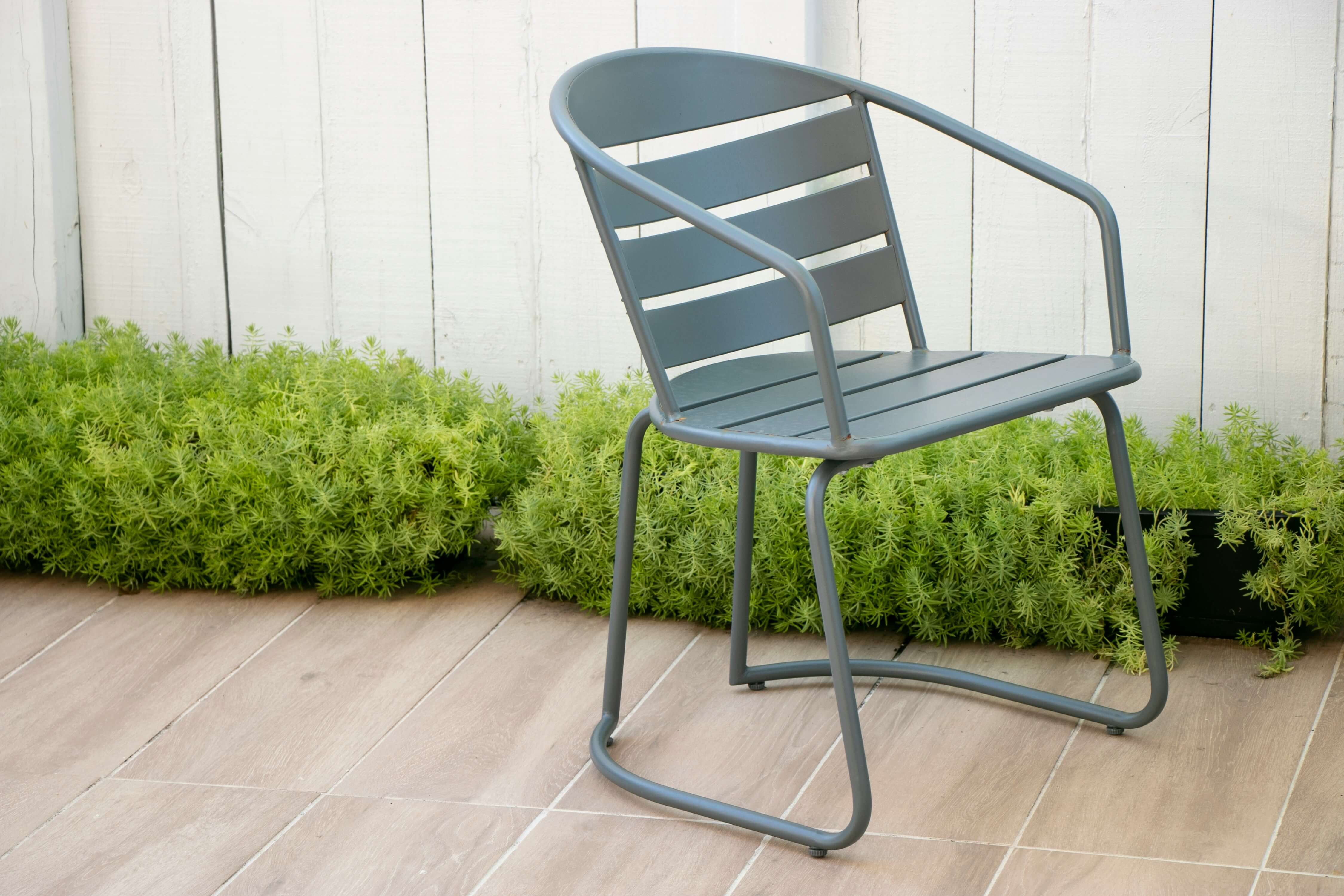
- Metal Furniture: Found in bedframes and vintage chairs. Prone to rust, so avoid excess moisture.
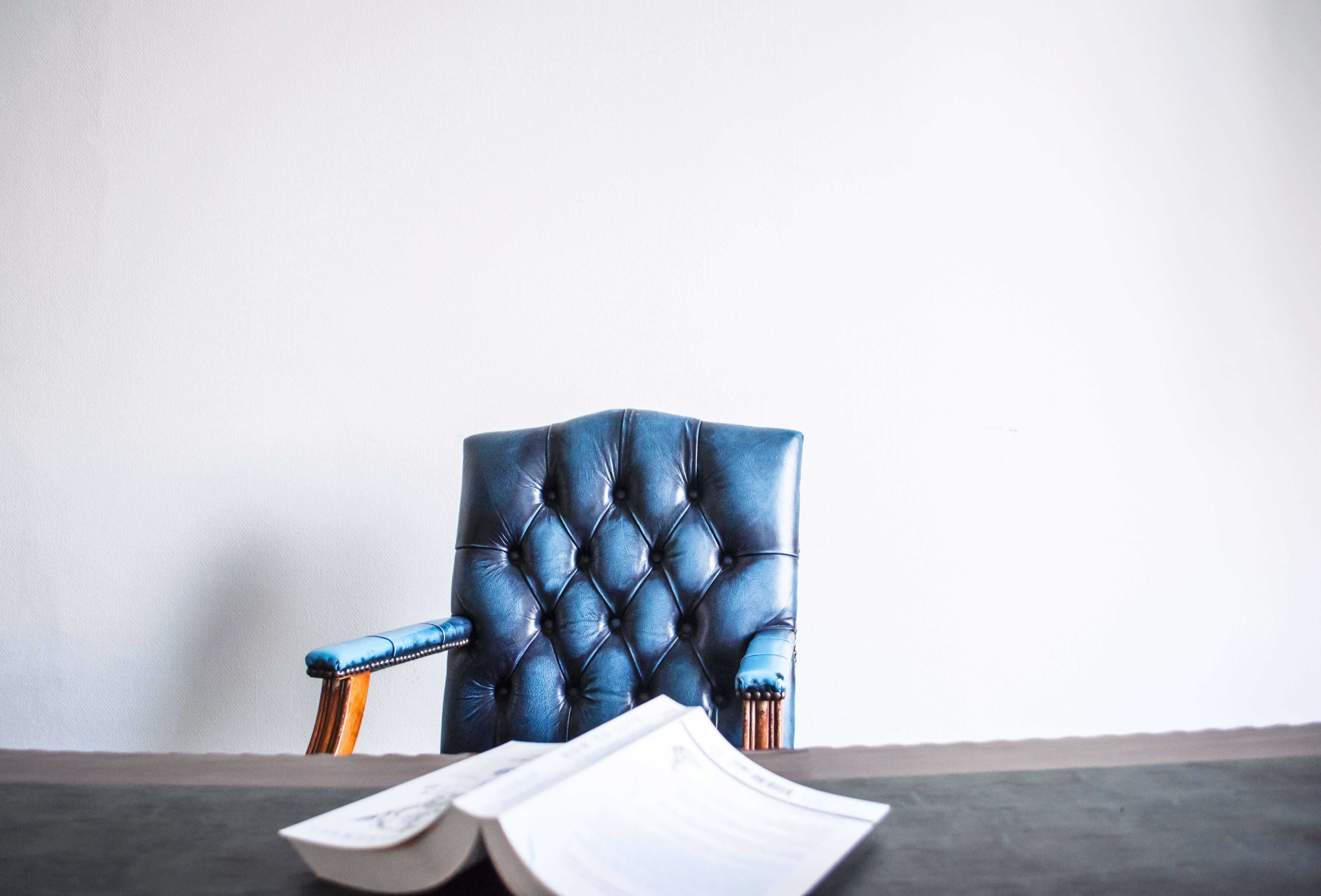
- Upholstered Furniture: Includes sofas, headboards, and chairs. Fabric or leather needs special vacuuming and spot cleaning.
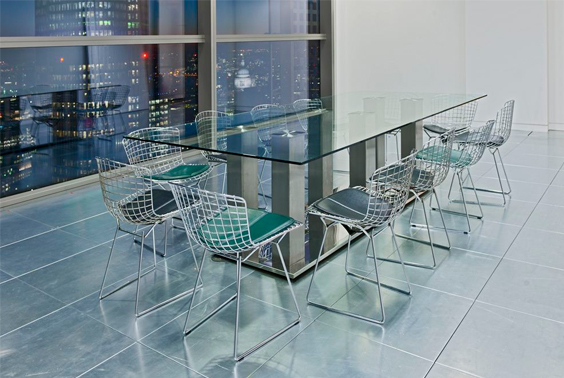
- Glass Furniture: Often combined with metal or wood. Clean with glass cleaner, avoiding streaks and residue buildup.
- Plastic/Resin Furniture: Lightweight and durable but prone to staining. Use mild soap and water.
- Rattan/Wicker Furniture: Delicate natural material. Dust with a soft brush and use damp cloths sparingly.
Steps to transforming your furniture
Cleaning Antique Wood Furniture:
Check the Finish:
To test your wood furniture’s finish:
-
Dab denatured alcohol on a hidden area. If it dissolves, it’s shellac.
-
Try lacquer thinner next. If nothing changes, it’s likely varnish or oil.
Tip: Take photos before cleaning antique furniture. It helps track progress and preserve its historical look.

Cleaning Steps:
-
Dust Gently Use a soft microfiber cloth and wipe along the wood grain to avoid scratches.
-
Prepare a Mild Cleaning Solution Mix a few drops of dish soap with warm water. Lightly dampen a cloth (don’t soak it) and wipe gently.
-
Rinse and Dry Follow up with a clean, damp cloth (just water) to remove soap. Then dry thoroughly.
-
Focus on Details Use cotton swabs for intricate carvings or joints.
For Bedframes and Sofas: Vacuum upholstered areas before treating wood. Spot clean fabric with gentle, fabric-safe cleaners.
Cleaning Metal Furniture:
Metal furniture is durable but prone to rust, corrosion, and fingerprints. Whether you’re dealing with a steel frame bed, wrought iron bench, or aluminum bar stools, proper metal furniture cleaning prevents buildup and extends its life.
Cleaning Steps:
-
Dust First: Use a dry microfiber cloth to remove loose dust and dirt.
-
Wipe Down with Soapy Water: Mix a few drops of mild dish soap in warm water. Dip a cloth and wring it out well. Wipe the surface clean.
-
Remove Rust (If Present): For light rust: Scrub with steel wool or a paste of baking soda and water. For stubborn rust: Use white vinegar or a commercial rust remover. Let sit, scrub gently, and rinse.
-
Dry Thoroughly: Water causes corrosion, so always wipe dry with a clean towel.
-
Polish (Optional): Use metal polish for a glossy finish, especially on chrome or stainless steel furniture.
Tip: Apply a rust-inhibitor spray to outdoor pieces or those in humid areas like bathrooms.
Cleaning Upholstered Furniture:
Sofas, Bedframes & Chairs Old upholstery can harbor dust, allergens, and odors, making regular upholstery cleaning essential for maintaining a healthy and fresh living environment.

Cleaning Steps:
-
Vacuum First: Use an upholstery attachment to remove dirt from seams, cushions, and corners.
-
Spot Clean: Use a mild solution of dish soap and water. Test on a hidden spot first.
-
Deodorize: Sprinkle baking soda, let sit for 15–20 minutes, and vacuum.
-
Cushion Tip: Rotate cushions weekly to maintain shape.
Bedframes: Wooden: Use same gentle cleaning as above.
Metal: Wipe with damp cloth and soap. Avoid abrasive abrasive pads.
Fabric Headboards: Vacuum regularly and use fabric protector spray to prevent future stains.
Cleaning Glass Furniture:
Glass tables, shelves, and display cabinets can quickly collect smudges, fingerprints, and dust, making them look dirty even when they’re not.
Cleaning Steps:
-
Dust First: Use a dry microfiber cloth to remove particles that can scratch the glass.
-
Spray Glass Cleaner: Use a commercial glass cleaner or a mix of 1:1 vinegar and water. Spray lightly on the surface.
-
Wipe in Circular Motion: Use a lint-free cloth or newspaper for a streak-free shine. Wipe in small circular motions and finish with a final vertical pass.
-
Detail the Edges: Use a cotton swab or a corner of the cloth to clean seams and frame areas.
-
Polish Dry: Buff dry with a clean microfiber cloth for a spotless finish.
Tip: Avoid abrasive pads, they scratch the surface. Use coasters to prevent ring stains from cold or hot drinks.
Cleaning Plastic and Resin Furniture:
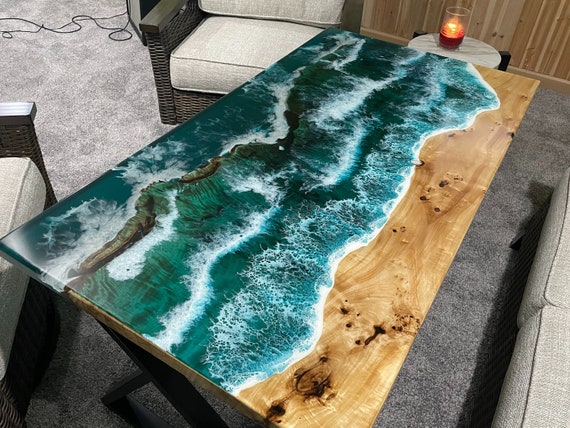
Plastic and resin furniture are budget-friendly and versatile but can yellow, stain, or collect grime over time, especially when used outdoors.
Cleaning Steps:
-
Brush Off Debris: Use a soft brush or vacuum to remove loose dirt and dust.
-
Wash with Soap & Water: Mix mild dish soap in warm water. Use a sponge or cloth to scrub the surface.
-
Remove Tough Stains: For white furniture, make a paste of baking soda and water. Apply to stained areas and scrub gently with a non-abrasive sponge.
-
Rinse Thoroughly: Rinse with clean water to avoid soap residue, which can attract more dirt.
-
Dry Completely: Use a towel or let it air dry in the sun.
Tip: Apply a UV protectant spray to help prevent fading and brittleness caused by sun exposure.
Cleaning Rattan and Wicker Furniture:
Rattan and wicker are natural fibers woven into intricate patterns. While beautiful, they are delicate and prone to collecting dust and mold, especially in humid climates.

Cleaning Steps:
-
Dust Gently: Use a soft-bristled brush or vacuum with a brush attachment to remove dust from crevices.
-
Wipe with Damp Cloth: Lightly dampen a cloth with a mix of water and mild dish soap. Gently wipe surfaces, do not oversaturate, as moisture can warp natural fibers.
-
Scrub Mildew: Mix equal parts vinegar and water. Use a toothbrush to scrub small spots where mildew appears. Rinse and dry well.
-
Dry Thoroughly: Let the piece dry in a well-ventilated space. Avoid direct sunlight for prolonged periods, which can cause splitting or fading.
-
Condition (Optional): Use lemon oil or linseed oil once or twice a year to condition and restore natural shine.
Tip: For indoor use, keep rattan away from heat sources. For outdoor furniture, bring indoors during extreme weather.
Address Specific Furniture Concerns
Beyond general cleaning, you might encounter specific issues that need targeted furniture restoration attention:
-
Water Stains: Blot up excess water immediately. For lingering stains, mix equal parts white vinegar and water, dampen a cloth, and dab the area gently. Dry thoroughly.
-
Scratches: Minor scratches can be buffed out with furniture polish or scratch removers. Deeper scratches might require professional repair.
-
Upholstery Odors: Sprinkle baking soda on the fabric, leave for 30 minutes, then vacuum thoroughly. Repeat if necessary. For stubborn odors, consult a professional cleaning service.
See Also: Kitchen Organization Hacks for Busy Moms
Conclusion
A Revived Piece Shines Brightest in a Pristine Home
Your beautifully revived furniture isn't just a piece; it's a testament to thoughtful care and a connection to history, shining with renewed charm. The satisfaction of bringing these items back to life, integrating them seamlessly into your living space, is truly rewarding.
These cherished pieces deserve to be showcased in an environment that matches their renewed vibrancy. While you've expertly breathed new life into your furniture, maintaining the comprehensive cleanliness and consistent sparkle of your entire home presents its own challenge. At Tidyex Home Services, we understand this dedication to a beautiful living space.
We specialize in delivering that same meticulous attention to detail across every room. Our comprehensive residential cleaning solutions ensure your entire home radiates freshness and cleanliness, creating the perfect backdrop for your lovingly restored furniture.
Not sure about a service that defines your needs? View Our Service or Contact Us at +14697784488
Subscribe to Our Newsletter!
Stay fresh! Stay informed! Be the first to know about our release and industry insight