


Lifestyle
The Therapeutic Power of Cleaning: Transforming Chores into Self-Care
The Therapeutic Power of Cleaning: Transforming Chores into Self-Care
Transform cleaning from a chore into self-care! Discover the therapeutic benefits of a tidy space for stress reduction, mental clarity, and well-being with Tidyex."


Introduction
Cleaning is often viewed simply as a necessary chore for maintaining an orderly home. Yet, have you ever considered that cleaning can also be incredibly therapeutic? In fact, many find cleaning is therapeutic, offering a powerful way to alleviate stress, declutter the mind, and evoke profound feelings of achievement and contentment. This article explores the myriad ways in which cleaning as therapy can become a powerful tool for self-care and mental well-being.
See Also: Janitorial Services 101: A Guide to Maintaining A Clean Workspace.
The Therapeutic Benefits of Cleaning: How Tidy Spaces Boost Mental Health and Emotional Well-being

Far beyond a mere domestic task, cleaning is a powerful form of self-care that genuinely supports mental health, reduces anxiety, and fosters a sense of control in our daily lives. Especially in high-stress environments or during periods of emotional struggle, even the simplest cleaning routines can become a grounding, healing ritual. Let's delve into the profound mental health benefits of cleaning and discover why cleaning is so therapeutic, along with practical ways to integrate it into your self-care routine.
1. Cleaning Reduces Stress and Restores Calm
Cluttered spaces often lead to mental clutter. A disorganized home can overwhelm the senses, making it difficult to relax or focus. Tidying your space helps create an environment that feels peaceful and manageable. When you're wiping down kitchen counters or organizing a closet, you're actively creating a sanctuary where you can breathe easier and think more clearly. This is a core reason why therapeutic cleaning is so effective for managing stress.
By introducing a predictable cleaning routine, you're also reducing uncertainty in your environment, which can significantly ease anxiety. These daily rituals offer emotional anchors that help bring calmness to an otherwise chaotic world.
2. Cleaning Enhances Mental Clarity and Focus
Organized environments directly impact your ability to focus. Visual clutter competes for your brain’s attention, making tasks feel more difficult than they are. Decluttering and cleaning help minimize these distractions, promoting mental clarity and boosting your ability to concentrate. This mindful presence supports emotional regulation and encourages calm, productive energy, highlighting how cleaning can be therapeutic for cognitive function.
When done mindfully, cleaning can also be meditative. The rhythmic motions of vacuuming, folding laundry, or scrubbing a surface can help quiet racing thoughts and bring you into the present moment.
3. Cleaning as a Source of Purpose and Accomplishment
Completing small tasks, like making the bed, loading the dishwasher, or sorting through a closet, builds a strong sense of achievement. These “tiny wins” release dopamine, the brain's reward chemical, which boosts motivation and self-esteem. This is especially valuable for individuals experiencing depression or emotional fatigue, underscoring how cleaning can be a therapy in itself.
By focusing on attainable, time-bound cleaning tasks, you can regain a sense of control and productivity even during low-energy days. Over time, these small successes build momentum and help create a positive feedback loop.
4. Building Emotional Resilience Through Cleaning Routines
Routine chores may seem mundane, but they’re foundational to creating a supportive and functional living environment. A clean home supports healthy daily habits, improves mood, and encourages better sleep, all key components of emotional resilience. This is why many consider cleaning as self-care.
Rather than seeing cleaning as an obligation, reframing it as an intentional act of care transforms it into something empowering. Each time you take care of your space, you're reinforcing your own sense of worth and control over your environment.
Cleaning as a Practical and Enjoyable Form of Self-Care
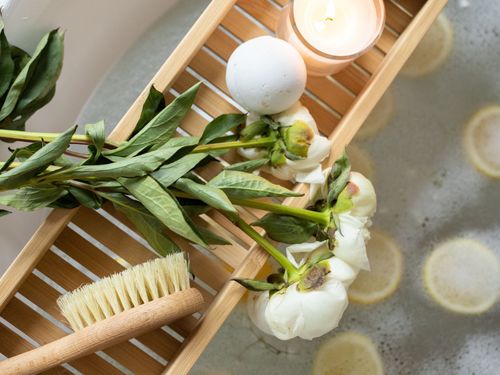
Now that we've explored the therapeutic facets of cleaning, let's delve into practical ways to integrate cleaning as self-care into your daily routine:
-
Schedule Dedicated Cleaning Time: Set aside specific times each week for cleaning, treating it like a wellness appointment. Whether it's 15 minutes a day or an hour on the weekend, having a routine helps make cleaning a consistent and manageable part of your life.
-
Use Products That Stimulate the Senses: Choose cleaning products that appeal to your senses. Think natural citrus-scented sprays, lavender-infused detergents, or soft microfiber cloths. Pleasant smells and textures can elevate the entire experience and promote relaxation.
-
Turn Cleaning Into a Multi-Sensory Experience: Play music or listen to an uplifting podcast while you clean. Light a candle or diffuse essential oils to create a calming atmosphere. These small enhancements help make cleaning less of a task and more of a truly therapeutic ritual.
-
Focus on the Process, Not Just the Outcome: Instead of rushing to get to the “after” of a sparkling home, focus on the “during.” Find satisfaction in each folded shirt, each wiped surface, and each organized drawer. This presence boosts mindfulness and gratitude, especially as you actively care for your living space.
How Much Time Should You Spend on Cleaning Therapy?
Research and psychological studies recommend 10–20 minutes a day of mindful cleaning activities to experience the full benefits of therapeutic cleaning. Focus on one cleaning task at a time: a drawer, a small decluttering sprint, or a quick deep cleaning of surfaces. A short, consistent self-care routine fosters overall well-being and reduces stress without overwhelming you.
Practical Cleaning Rituals to Boost Your Mood
-
Music-Driven Cleaning: Pair a fun playlist with basic household tasks.
-
Declutter With Gratitude: As you put away items, reflect on their role in your life.
-
Bubble Bath Reward: After a rewarding cleaning session, soak in a bubble bath for pure self-care.
Therapeutic Cleaning Methods You Can Try Today
-
Room-by-Room Decluttering: Especially effective for clearing visual clutter.
-
10-Minute Tidy Sessions: Focused bursts reduce mental clutter and prevent overwhelm.
-
Sensory Immersion Cleaning: Light a candle, put on calming music, and focus on textures and smells during cleaning.
Cleaning and Mental Clarity: Why It Matters

A tidy space offers fewer distractions, directly boosting mental clarity. The relationship between a clean space and mental well-being is scientifically proven: cluttered spaces elevate cortisol (stress hormone) levels, while a clean environment fosters emotional balance, cognitive sharpness, and restful sleep. This is why understanding why cleaning is therapeutic is so important.
Encouraging Depressed Individuals to Engage in Cleaning
When someone you love is battling depression or mental health challenges, even small household chores can feel overwhelming. Here’s how to gently support them in experiencing cleaning as therapy:
-
Break Down Daily Living Skills: Instead of asking them to "clean the entire house," focus on micro-tasks like gathering dirty clothes, wiping one countertop, or putting away a few dishes. Small wins are less intimidating and much more doable.
-
Use ABA Techniques: Applied Behavior Analysis (ABA) is a simple, everyday strategy where you encourage positive actions by rewarding small steps toward a goal. In cleaning, this could mean offering praise, a hug, or a simple treat after a task is completed. By making each little cleaning milestone feel good, it helps build momentum without adding pressure.
-
Celebrate All Progress: Every wiped surface or folded towel is a step toward mental well-being. Recognizing even the tiniest achievements helps boost confidence and emotional resilience, reminding them that progress, no matter how small, is powerful.
Conclusion
While cleaning is often regarded as a mundane task, it holds the potential to be a potent tool for self-care and mental wellness. By recognizing the therapeutic benefits of cleaning and incorporating it into your self-care regimen, you can alleviate stress, declutter your mind, and cultivate profound feelings of accomplishment and satisfaction. So, the next time you embark on a cleaning endeavor, approach it with the mindset of cleaning as therapy and savor the myriad benefits it can bring to your life.
Need a clean, peaceful home without the stress of doing it all yourself? View Our Service or Contact Us at +14697784488